

With the development of global intelligence, the camera industry is growing rapidly, while camera applications are diversifying. Not only the demand for mobile phone cameras has increased, but also the demand for cameras in industries such as drones, automobiles and security surveillance has also gradually increased, which has led to higher and higher requirements for camera manufacturers in terms of production processes, design levels and precision machining, and has also brought huge development opportunities to the camera industry.
At present, all kinds of cameras basically include lenses, filters, camera sensors, bases, voice coil motors and other components. Camera module structure is very fine, the internal components have multiple glue needs, the main glue used are: UV glue, low temperature curing glue, etc.
1、 FPC reinforcement, the use of UV adhesive.
2、filter and base fixed, need to use high strength UV adhesive.
3、camera adjustment of the focal length, the need to use UV glue for fixed.
Camera UV glue is a transparent, colorless, liquid photopolymer cured under UV light irradiation, no discoloration, good flexibility, in low temperature and high temperature and other harsh conditions can maintain a very high stability.
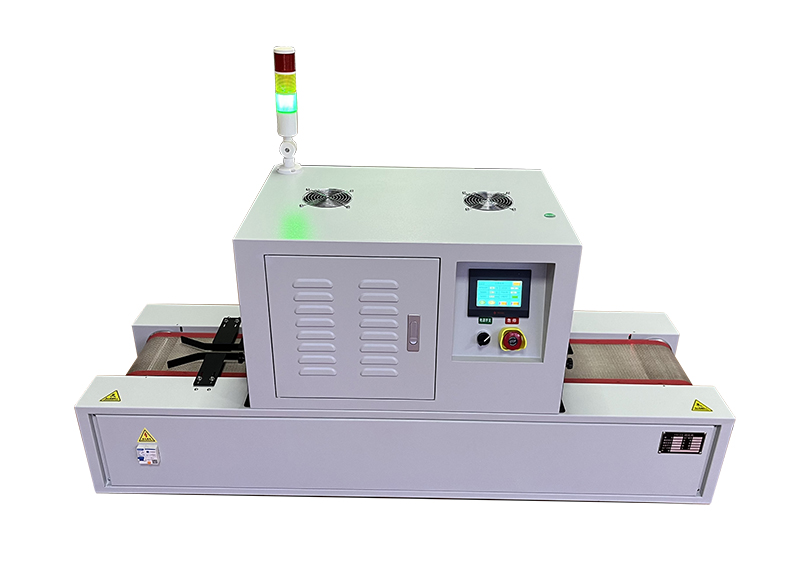
Which curing machine is used to cure UV glue for camera modules?
As mobile phone cameras and many electronic components are getting smaller and smaller, most use UVLED point source type curing lamps for UV glue curing. UVLED point source is ideal for curing areas up to 10mm in diameter. Hitechnider UVLED point light source curing machines can be equipped with 1-8 UVLED irradiation heads with concentrated irradiation energy and unique heat dissipation to achieve low temperature curing to meet the needs of different production processes.

